
Belle Vue, recovered
Chetham’s Library built a whole digital Belle Vue — postcards, pyrodramas, circus stills, scrapbooks. The exhibition is offline now. The Wayback Machine still holds the gates.
For a few years, if you wanted Belle Vue without leaving the sofa, you went to Virtual Belle Vue — Chetham’s Library’s digitised pleasure gardens. Postcards, programmes, scrapbooks, circus stills, speedway tours, the odd scandal. The exhibition is offline now. Chetham’s say they may not bring it back in that form. The Internet Archive still has the rooms.
What vanished from the open web was not the collection. It was the stroll.
A park that ate the calendar
Belle Vue began in 1836 when John Jennison, gardener and silk weaver, took a lease on lime-dug ground beside Hyde Road. From Stockport strawberries and caged birds it grew into something Manchester treated as a day out and a night out at once: provincial zoo, fireworks lake, brass-band contests, ballrooms, circus, speedway, amusement park. At its peak it covered about 165 acres and pulled more than two million visitors a year. Generations remembered the Bobs — the shilling roller coaster with the white timber skyline — and animals that became local celebrities: Maharajah the elephant who walked from Edinburgh in 1872 after wrecking his railway wagon; Consul the pipe-smoking chimpanzee in a jacket and cap.
The physical park thinned out the hard way. The zoo closed in September 1977. The amusement park limped on summer weekends until 1980. The site was sold and cleared through the 1980s. A greyhound stadium and a snooker hall are what most people pass now. The memory needed a better address than a car park.
What Chetham’s put online
In February 2015, with help from the Esmée Fairbairn Collections Fund, Chetham’s opened Virtual Belle Vue. The pitch was simple: browse more than a century of manuscripts and ephemera, leave a comment if you recognised a face, donate what was still in the attic. The site pulled together the Jennison family deposit from the late 1920s and 1930s, Robert Nicholls’s historian’s haul, R. T. Talbot’s deputy-manager photographs, the Marshall papers from the last managing director’s family, Brian Selby’s loaned postcards, public donations, and later the Newiss speedway material — Buenos Aires tour programmes, scrapbooks, autograph books from 1929.
There was also a book that had waited almost ninety years. George Jennison, grandson of the founder, wrote an official history when the family sold up in the 1920s, then insisted publication wait so relatives would not be upset. Zoe Willock edited and annotated it for Manchester Metropolitan University; Virtual Belle Vue carried the PDF. Full title and all: The Making and Growth of the Famous Zoological Gardens, Belle Vue, Manchester, and the History of its Competitors.
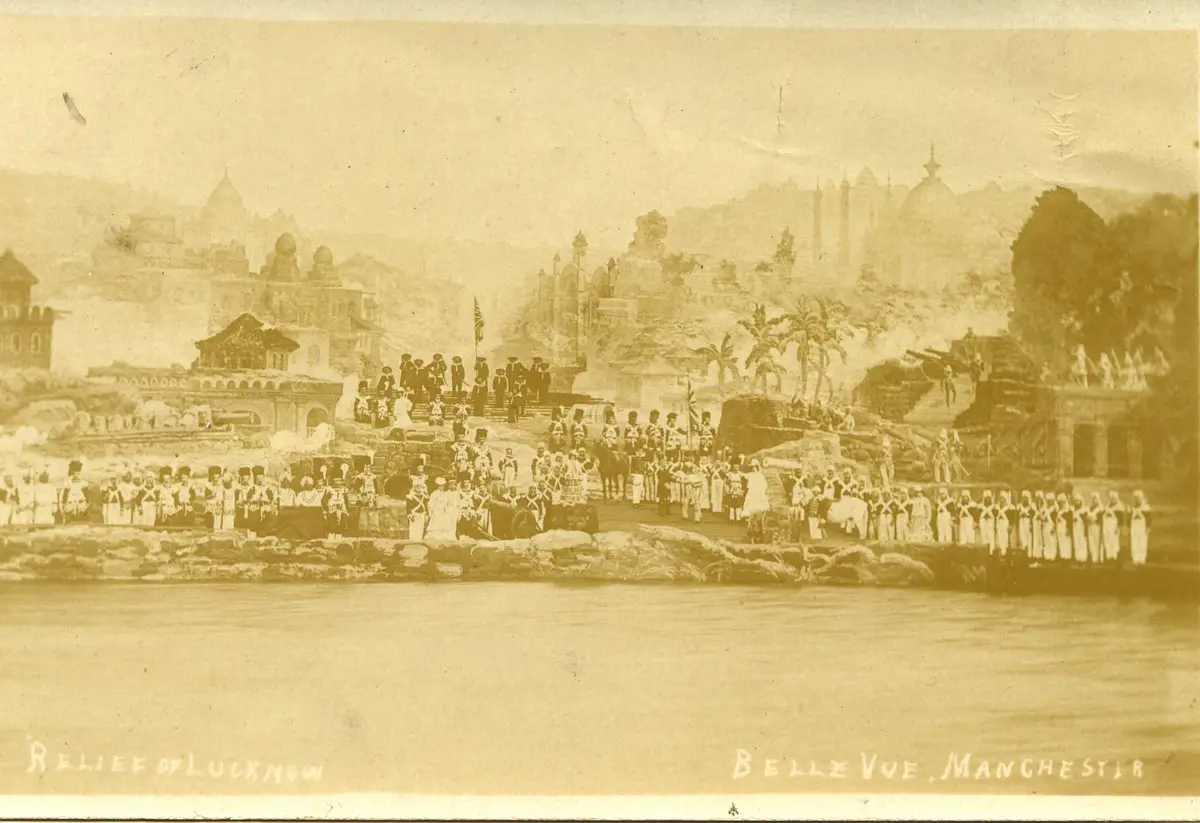
One exhibit specialised in the pyrodramas — firework battles with painted cities, hundreds of extras, and a taste for imperial set-pieces across the lake. Relief of Lucknow is the postcard that still explains the scale. Jack Harris’s virtual tour called the form what it was: jingoistic, meticulous, and for decades one of the reasons Manchester stayed out after dark.
After the exhibition
The material did not leave Chetham’s. Their Archives and Manuscripts catalogue still answers to Belle Vue, and to the search terms the librarians suggest when the pretty front end is down: bears, boxing, monkeys, circus, speedway. The 101 Treasures page still sketches the park. David’s long-running Belle Vue Revisited site remains a separate personal map of the same lost ground.
What Virtual Belle Vue did better than a catalogue hit was atmosphere. You could move from Longsight gates to a circus still to a banquet hall set for thousands without knowing a shelfmark. That is the bit the Wayback Machine keeps useful — not every file, not every comment thread, but enough frames and enough words to prove the gardens were once a city’s second centre.
From the archive
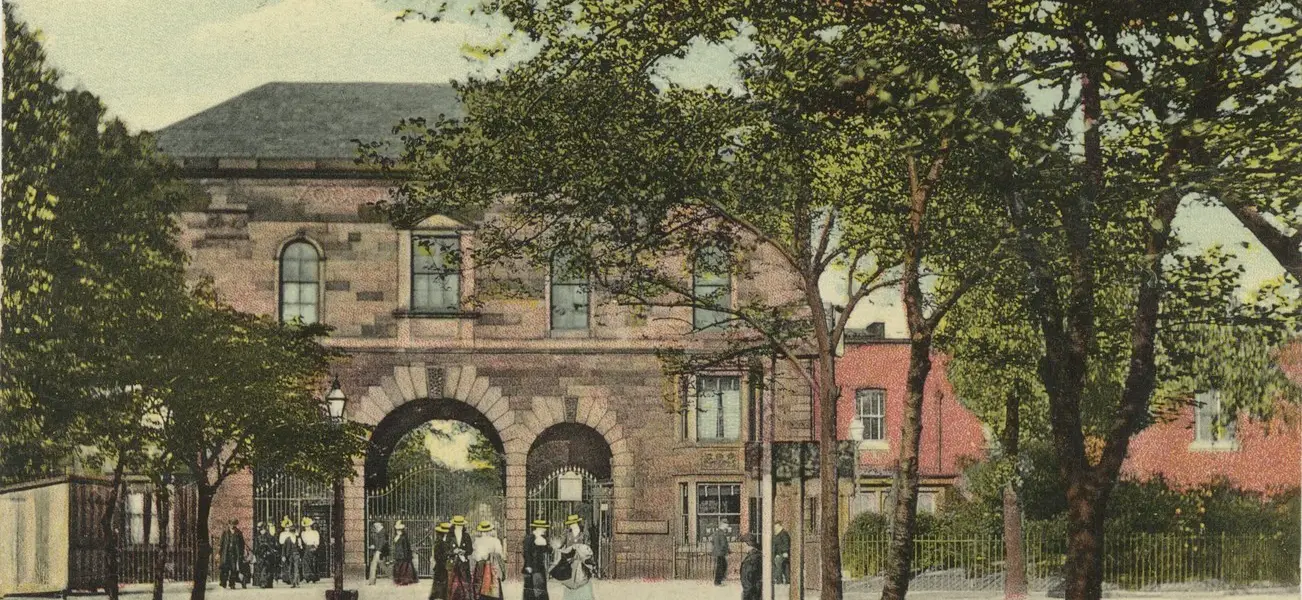
A few pieces pulled back from the old exhibition. The Longsight entrance is the polite face. The Lucknow postcard is the noise.
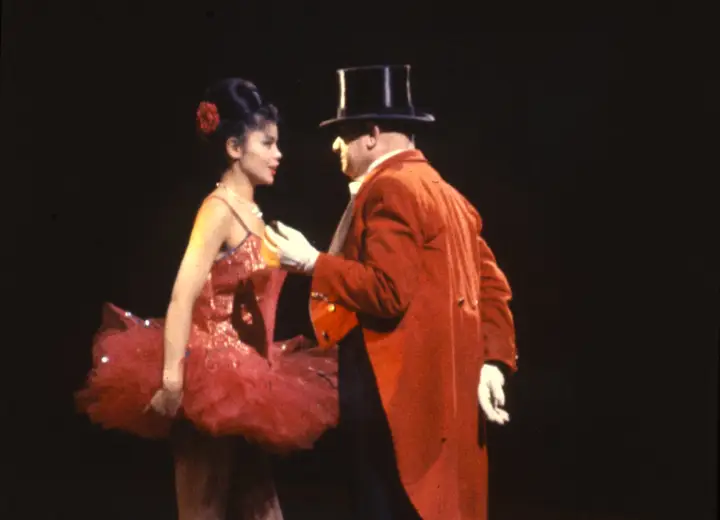
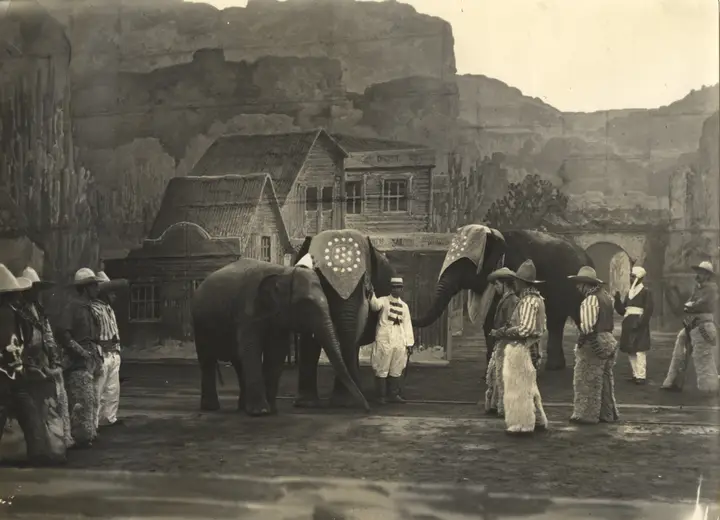
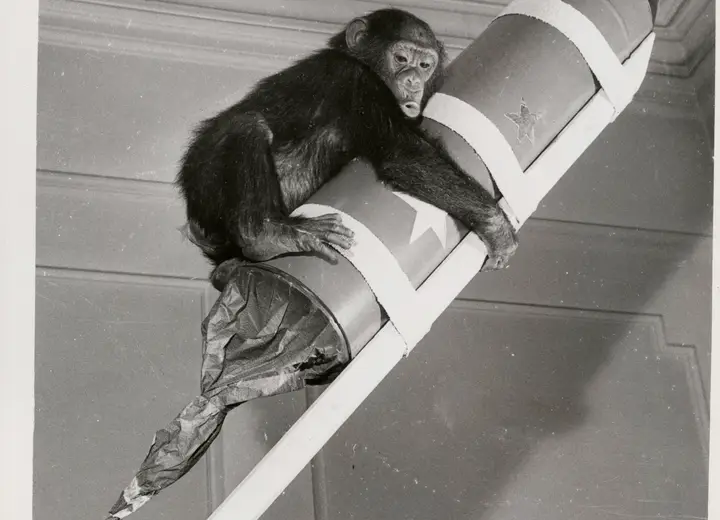
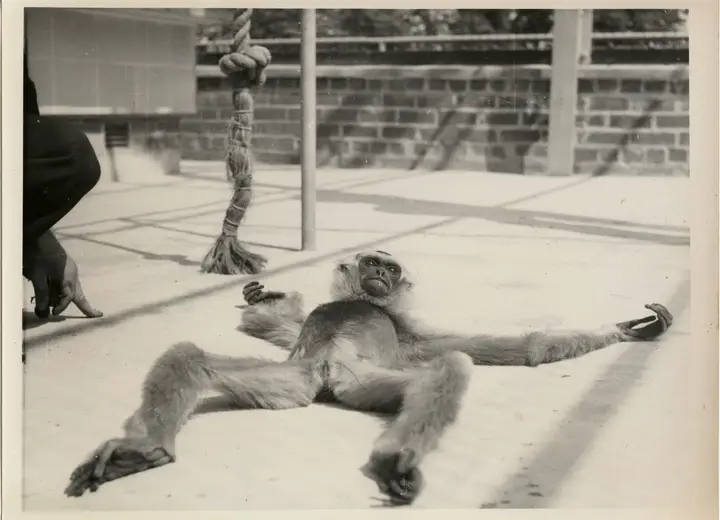
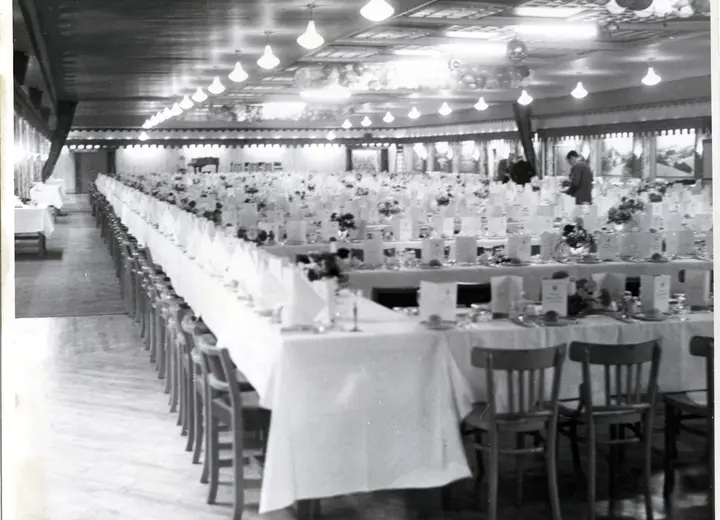
Chetham’s still holds the paper. The catalogue still answers to bears, boxing, and speedway. What went dark was the easy door — the place you could wander without knowing the shelfmark. The Wayback Machine keeps that door ajar. This is the short walk through for anyone who would never have known to look.